Common Misconceptions About Pay-Per-Click Advertising


Understanding Pay-Per-Click Advertising
Pay-Per-Click (PPC) advertising is an essential tool in the digital marketing toolkit, but it’s often misunderstood. By shedding light on common misconceptions, businesses can leverage PPC to its full potential and achieve significant ROI.
PPC Is Too Expensive for Small Businesses
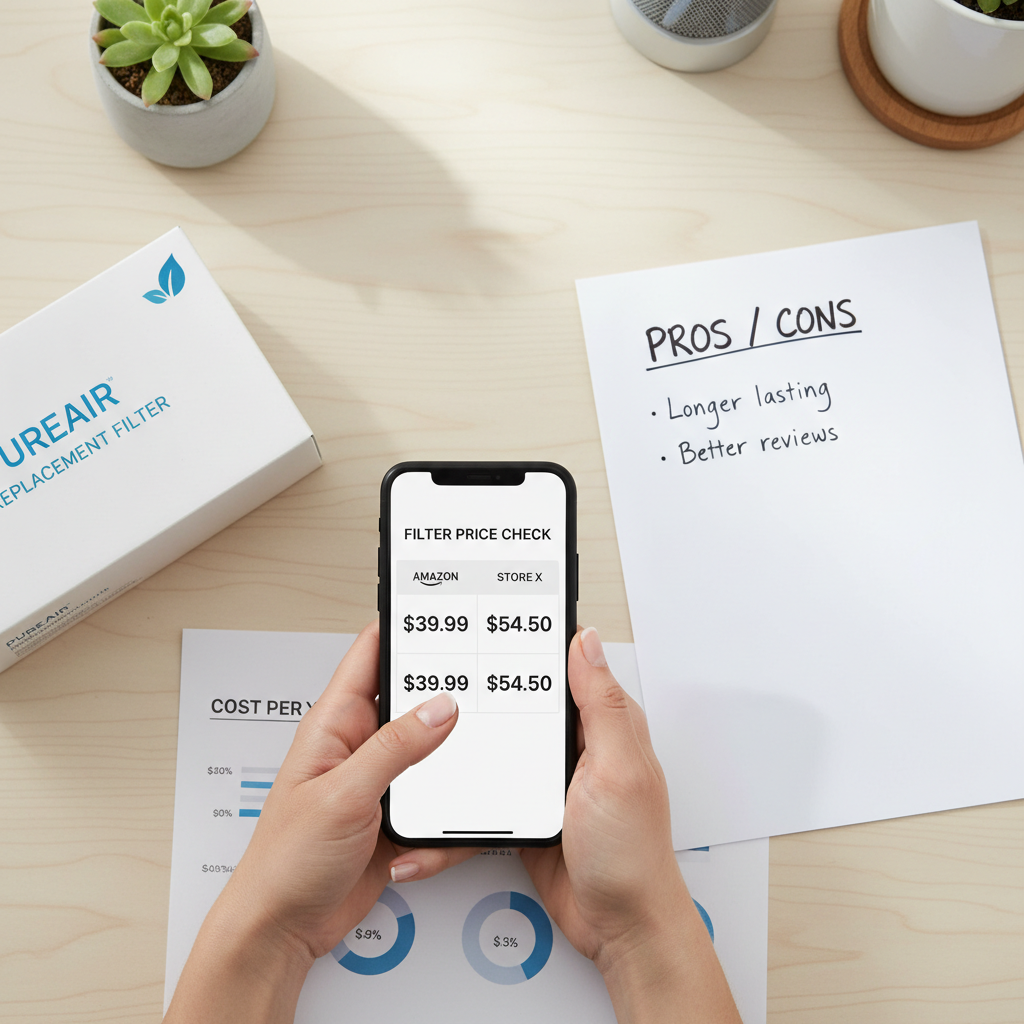
One of the most prevalent myths is that PPC is only suitable for large corporations with substantial marketing budgets. In reality, PPC can be tailored to fit any budget. Businesses can set daily or monthly caps, ensuring they never spend more than they intend. With strategic planning and optimization, even small businesses can benefit from targeted PPC campaigns.
Moreover, PPC allows for precise audience targeting, which means you can focus your resources on reaching only those most likely to convert. This targeted approach often leads to higher conversion rates and a better return on investment.
PPC Guarantees Immediate Results
Many believe that PPC will deliver instant results, but this is not always the case. While it’s true that PPC can generate traffic quickly, achieving meaningful outcomes requires continuous monitoring and optimization. Factors such as keyword competition, ad quality, and landing page effectiveness all play a role in the success of a campaign.

Patience and persistence are key. Testing different ad copy, keywords, and bidding strategies over time can lead to improved performance and increased conversions.
Higher Bids Mean Better Ad Placement
Another misconception is that the highest bidder always secures the top ad placement. In truth, platforms like Google Ads use a combination of bid amount and ad quality to determine placement. This means that a well-crafted ad with relevant keywords and a high-quality score can outperform higher bids with lower quality.
Focusing on ad relevance and user experience can help maximize your ad placement without necessitating the highest bid.

PPC Is Set-and-Forget
Some businesses assume that once a PPC campaign is set up, it requires little to no maintenance. However, PPC is not a static channel. Regular analysis and adjustments are crucial to maintaining and improving performance. This includes refining keyword lists, updating ad copy, and adjusting bids based on performance data.
By continuously optimizing your campaigns, you can ensure sustained success and adapt to changing market conditions.
Organic Search Renders PPC Unnecessary
While organic search is an important component of a digital marketing strategy, it doesn’t eliminate the need for PPC. In fact, PPC and SEO often work best when used together. PPC can provide immediate visibility and traffic, while SEO builds long-term credibility and authority.

By integrating both strategies, businesses can cover all bases, capturing both immediate and long-term opportunities for engagement and conversion.