Comprehensive Guide to Digital Marketing Strategies


Understanding Digital Marketing
In today's fast-paced digital world, having a strong online presence is essential for businesses of all sizes. Digital marketing encompasses a wide range of strategies designed to promote products or services through digital channels. Understanding these strategies can help your business reach a larger audience and achieve its goals more effectively.

Search Engine Optimization (SEO)
SEO is the process of optimizing your website to rank higher in search engine results pages (SERPs). This involves using relevant keywords, improving site speed, and ensuring that your website is mobile-friendly. A strong SEO strategy can significantly increase your website's visibility and attract more organic traffic.
To implement effective SEO, focus on both on-page and off-page techniques. On-page SEO includes optimizing content, meta tags, and images, while off-page SEO involves building backlinks from reputable sources. Regularly updating your content and monitoring your website's performance can also enhance your SEO efforts.
Content Marketing
Content marketing involves creating and sharing valuable content to attract and engage your target audience. This can include blog posts, videos, infographics, and more. The key is to provide content that is informative, entertaining, and relevant to your audience's interests.

A successful content marketing strategy should focus on delivering consistent, high-quality content that addresses the needs and pain points of your audience. By doing so, you can build trust and establish your brand as an authority in your industry.
Social Media Marketing
Social media platforms are powerful tools for connecting with your audience and promoting your brand. By leveraging platforms like Facebook, Instagram, Twitter, and LinkedIn, you can engage with your audience directly and create a strong community around your brand.
It's important to choose the right platforms based on where your target audience is most active. Regularly posting engaging content and interacting with followers can help increase brand awareness and drive traffic to your website.

Email Marketing
Email marketing is a cost-effective way to reach your audience directly. By sending personalized and targeted emails, you can nurture leads, promote products, and build relationships with your customers. It's essential to craft compelling subject lines and provide valuable content to ensure high open and click-through rates.
Segmenting your email list based on customer preferences and behavior can further enhance the effectiveness of your email marketing campaigns. Regularly analyzing the performance of your emails can help you refine your strategy and achieve better results.
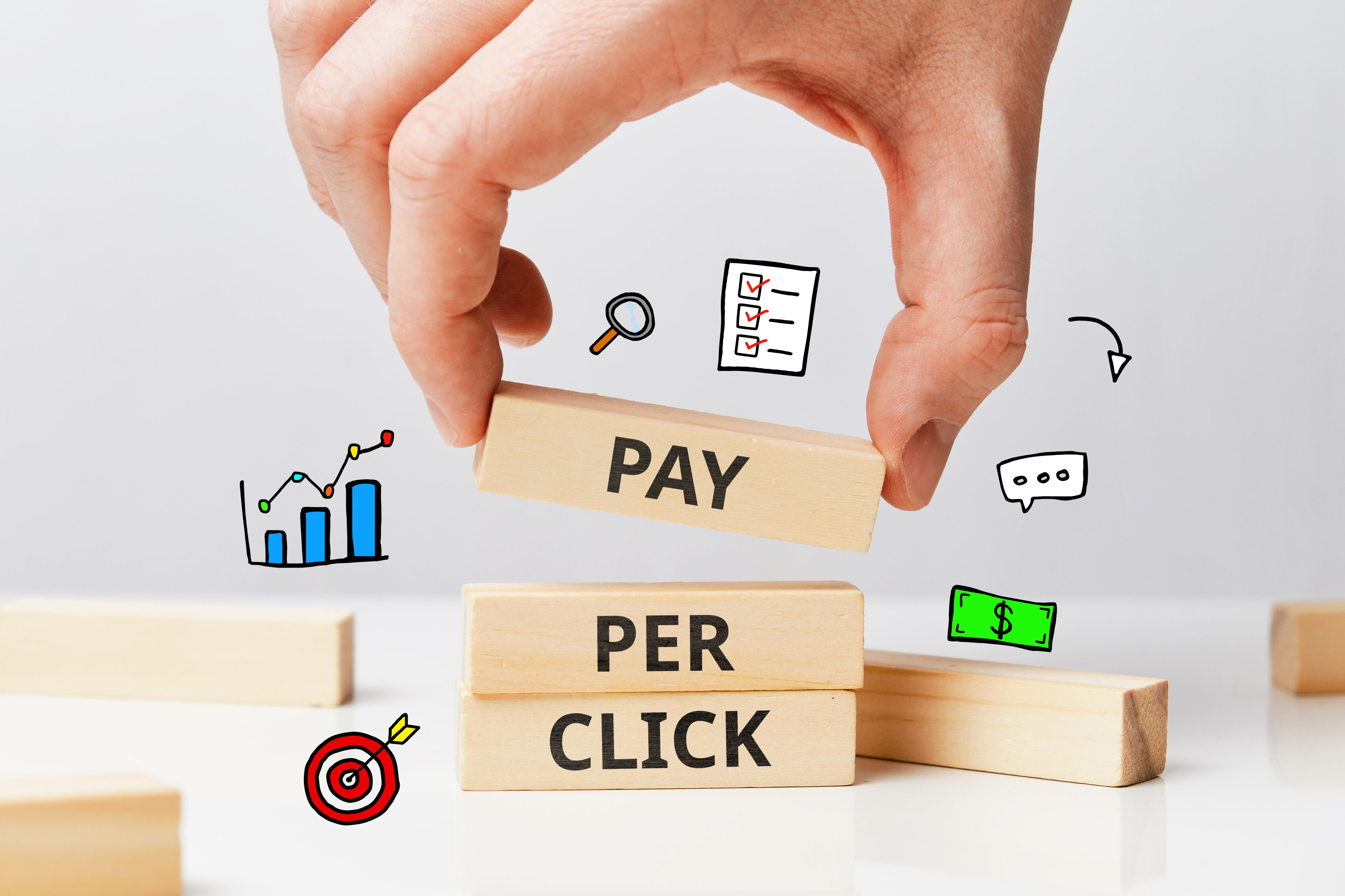
Pay-Per-Click (PPC) Advertising
PPC advertising involves paying for ads to appear at the top of search engine results or on social media platforms. This strategy allows you to reach a targeted audience quickly and drive traffic to your website. Google Ads and Facebook Ads are popular platforms for running PPC campaigns.
To maximize the ROI of your PPC campaigns, focus on selecting relevant keywords, creating compelling ad copy, and targeting the right audience. Regularly monitoring and adjusting your campaigns can help improve their performance over time.
Analytics and Performance Tracking
Tracking the performance of your digital marketing strategies is crucial to understanding their effectiveness. Tools like Google Analytics provide valuable insights into website traffic, user behavior, and conversion rates. By analyzing this data, you can make informed decisions and optimize your strategies for better results.
Regularly reviewing and adjusting your digital marketing efforts ensures that your strategies remain aligned with your business goals. This continuous improvement process can lead to sustained growth and success in the digital landscape.