Creating Effective Social Media Campaigns: A Step-by-Step Guide


Understanding Your Audience
Before diving into the creation of a social media campaign, it's crucial to know who your audience is. Understanding their demographics, interests, and online behaviors will help tailor your content effectively. Begin by analyzing existing data from your social media platforms and website analytics.
Utilize tools like Google Analytics and Facebook Insights to gather detailed information about your audience. This data provides insights into age, gender, location, and even the times they are most active online. Armed with this knowledge, you can create content that resonates and engages.

Setting Clear Objectives
Every successful social media campaign starts with clear objectives. These objectives should align with your overall business goals and be specific, measurable, achievable, relevant, and time-bound (SMART). For instance, you might aim to increase brand awareness by 20% within three months.
Consider what you want to achieve: more followers, higher engagement, or increased website traffic? Defining your goals will guide your strategy and help you measure success.
Choosing the Right Platforms
Not all social media platforms will suit your campaign. Depending on your audience and objectives, select platforms where your target demographic is most active. For example, Instagram and TikTok are ideal for younger audiences, while LinkedIn is better for B2B interactions.
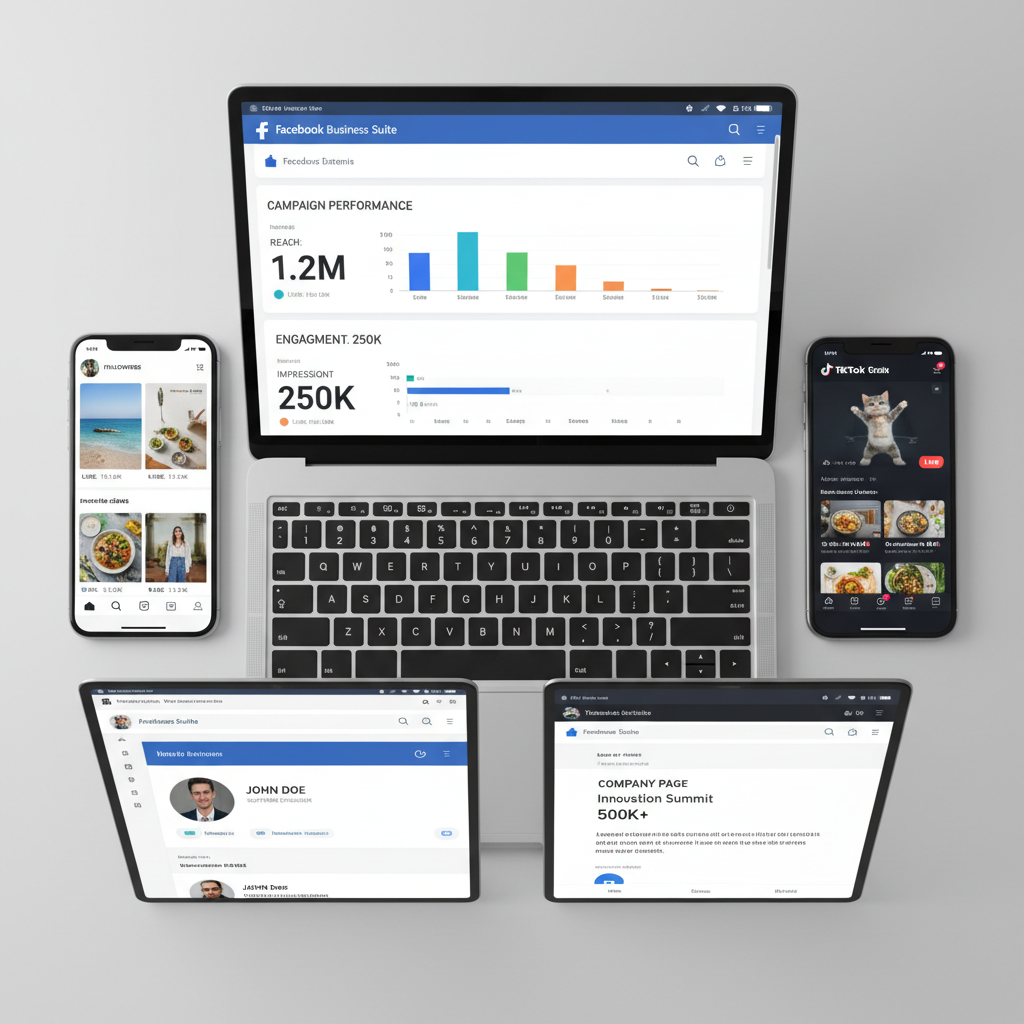
Evaluate each platform's strengths and how they align with your campaign goals. This will ensure your efforts are concentrated on channels that offer the best returns.
Crafting Engaging Content
Content is at the heart of any social media campaign. It should be engaging, relevant, and aligned with your brand's voice. Whether it's a captivating image, an informative video, or a compelling blog post, ensure your content adds value to your audience.
Consider using a mix of content types to keep your audience interested. Incorporate user-generated content, live videos, and interactive posts to encourage participation and engagement.

Utilizing Paid Advertising
To amplify your campaign's reach, consider investing in paid social media advertising. Platforms like Facebook and Instagram offer robust ad targeting options, allowing you to reach specific audience segments. Set a budget that aligns with your objectives and continuously monitor ad performance to optimize results.
Experiment with different ad formats such as carousel ads, video ads, and sponsored posts to see what resonates best with your audience.
Measuring and Analyzing Results
Once your campaign is live, it's essential to track its performance. Use analytics tools provided by each platform to measure key metrics like engagement rates, click-through rates, and conversion rates. This data will help determine if you're on track to meet your objectives.

Regularly review your campaign's progress and be ready to make adjustments as needed. Successful social media campaigns are dynamic and adaptable, responding to real-time feedback and changing audience behaviors.
Continuous Improvement
After your campaign concludes, take the time to analyze what worked and what didn’t. Gather insights that can inform your future campaigns. Continuous improvement is key to staying relevant and achieving long-term success in social media marketing.
Document your findings and use them to refine your strategies, ensuring each campaign is more effective than the last.