
DIY SEO Tips for Small Businesses: A Step-by-Step Guide


For small businesses, mastering SEO can seem daunting, but it's a crucial part of driving traffic and increasing visibility online. Fortunately, with some dedication and the right strategies, you can effectively manage your own SEO. This guide will provide you with simple and actionable steps to enhance your online presence.
Understanding Keywords
Keywords are the foundation of SEO. They are the terms and phrases your potential customers use to find products or services like yours. Start by brainstorming a list of keywords related to your business. Tools like Google Keyword Planner or Ubersuggest can help you identify popular search terms in your industry.
Once you have your list, incorporate these keywords naturally into your website content, including page titles, meta descriptions, and headings. Remember to avoid keyword stuffing, which can negatively impact your rankings.

Optimizing Your Website
On-Page SEO
On-page SEO involves optimizing individual pages to rank higher and attract more relevant traffic. Focus on creating high-quality, valuable content that answers the questions your audience is asking. Use headers, bullet points, and images to make your content more engaging.
Technical SEO
Technical SEO ensures that search engines can efficiently crawl and index your site. This includes optimizing your website's speed, ensuring it's mobile-friendly, and fixing any broken links. Using tools like Google Search Console can help identify and fix technical issues.

Building Quality Backlinks
Backlinks are links from other websites to yours. They signal to search engines that your content is credible and valuable. Start by reaching out to industry-related blogs and websites to see if they would link to your content. Guest blogging and participating in relevant forums can also be excellent ways to build backlinks.
Remember, quality matters more than quantity. Having a few links from high-authority sites is more beneficial than numerous links from low-quality sources.

Monitoring and Analyzing Results
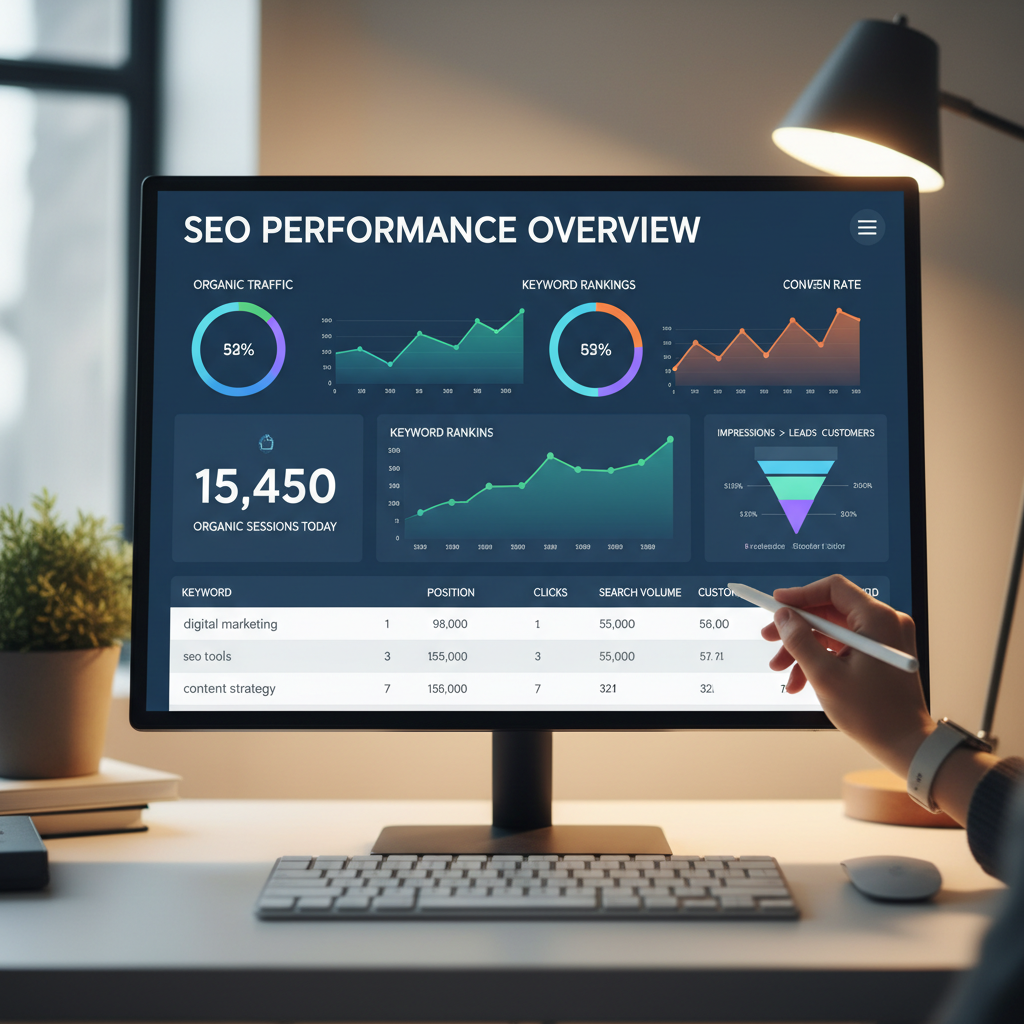
Once you've implemented these strategies, it's essential to track your progress. Use tools like Google Analytics and Google Search Console to monitor your website's performance. Pay attention to metrics like organic traffic, bounce rate, and conversion rates to understand what's working and what needs improvement.
Regularly reviewing and adjusting your SEO strategies will help you stay ahead of the competition and continue to grow your online presence.
By following these DIY SEO tips, small businesses can improve their search engine rankings and attract more customers. While SEO can be complex, taking it step-by-step and focusing on providing value to your audience will yield long-term benefits.