
Seasonal Marketing Tips for Maximizing ROI


Understanding Seasonal Marketing
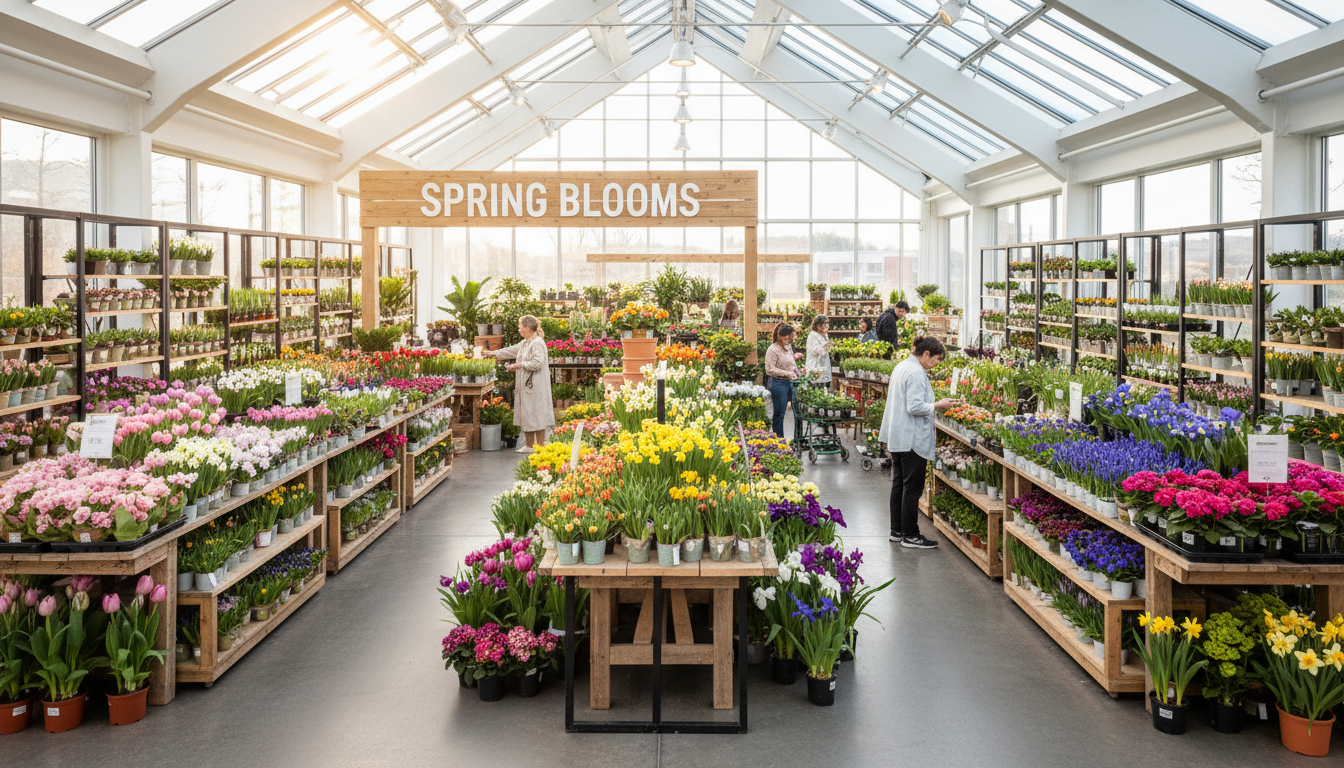
Seasonal marketing is a strategy that aligns promotional efforts with specific times of the year, such as holidays, weather changes, or cultural events. By timing campaigns to coincide with significant dates, businesses can tap into consumer excitement and drive more sales. However, to truly maximize ROI, it's crucial to tailor your marketing efforts to each season.
Identify Seasonal Trends
Understanding your audience's behavior during different seasons is key. Analyze past sales data to identify trends and patterns. Are there products that consistently sell more during certain times of the year? Use this information to predict future demand and plan inventory accordingly. By aligning your offerings with consumer needs, you can enhance the effectiveness of your campaigns.
Craft Compelling Seasonal Content
Content is king, and during seasonal campaigns, it's essential to create relevant and engaging material. Consider developing blog posts, social media updates, and newsletters that highlight how your products or services fit into the season. Use storytelling to connect emotionally with your audience, and leverage visuals to make your content more appealing.

Leverage Social Media and Influencers
Social media platforms are perfect for seasonal marketing due to their real-time nature and vast reach. Create themed posts, collaborate with influencers who resonate with your brand, and use hashtags to increase visibility. Engaging with your audience on social media during seasonal events can boost brand awareness and drive traffic to your website.
Utilize Email Marketing
Email marketing remains one of the most effective channels for reaching your audience. During seasonal campaigns, send targeted emails with special offers, discounts, and exclusive content. Personalize your emails to make recipients feel valued, and ensure your subject lines are catchy and relevant to the season.
Optimize Your Website for Seasonal Traffic
Your website should be ready to handle increased traffic during peak seasons. Ensure that your site is mobile-friendly, loads quickly, and provides a seamless user experience. Highlight seasonal promotions on your homepage and make it easy for visitors to find what they're looking for by using clear calls-to-action and intuitive navigation.
Measure and Analyze Results
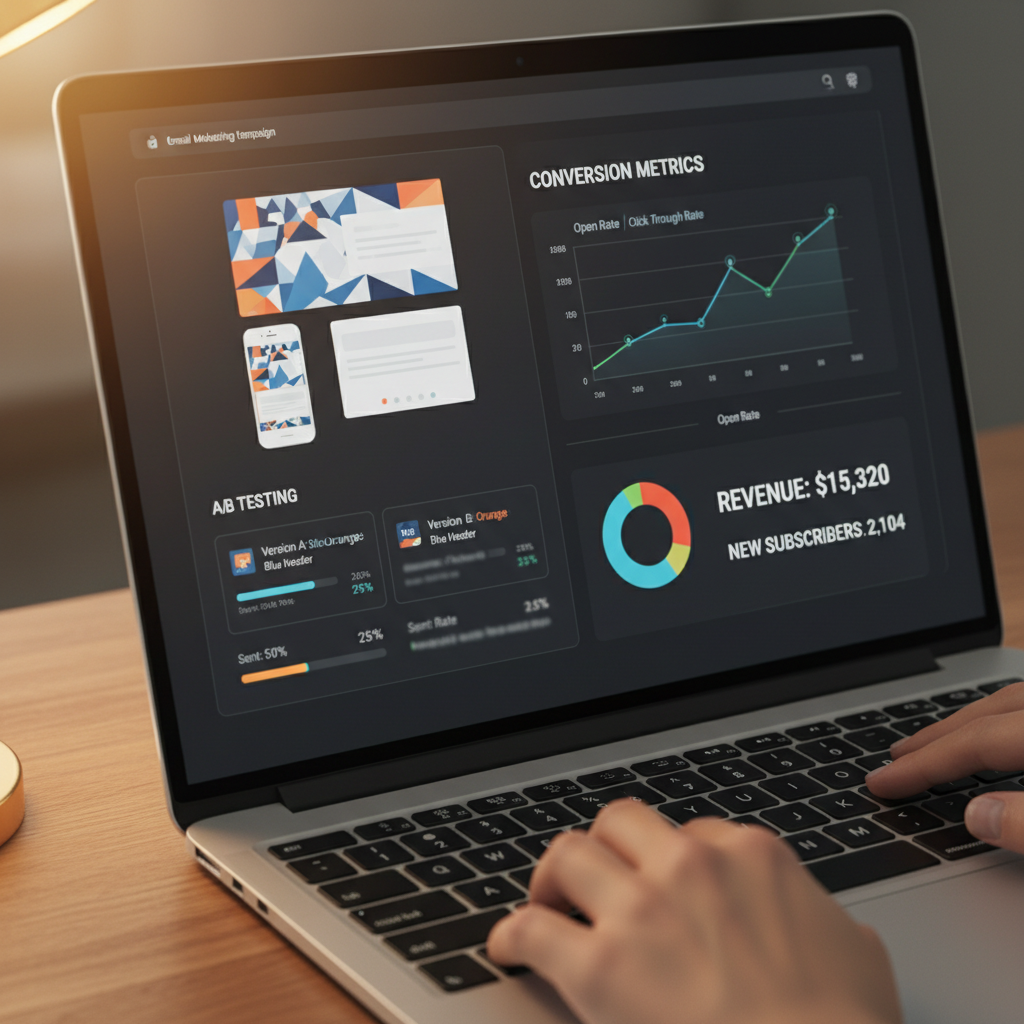
After your seasonal campaign ends, it's crucial to evaluate its success. Use analytics tools to measure key performance indicators such as conversion rates, website traffic, and sales figures. Analyze what worked and what didn't, and use these insights to refine future campaigns. Continuous improvement is vital for maximizing ROI.

Plan Ahead for Success
Successful seasonal marketing requires careful planning and execution. Start preparing well in advance to ensure you have enough time to develop content, adjust your inventory, and set up promotional activities. By being proactive and organized, you'll be better equipped to capitalize on seasonal opportunities and achieve your business goals.