The Ultimate Guide to Digital Marketing Strategies for Small Businesses


Understanding Digital Marketing
Digital marketing encompasses all marketing efforts that use the internet or electronic devices. For small businesses, it offers an opportunity to compete with larger brands by leveling the playing field. Understanding how digital marketing works is crucial for developing effective strategies. With the right approach, small businesses can significantly increase their reach and impact.

Creating a Strong Online Presence
Building a robust online presence is the foundation of any successful digital marketing strategy. This involves creating a user-friendly website, optimizing it for search engines, and maintaining active social media profiles. A well-designed website serves as the hub of your online activities, while social media platforms help you engage with your audience and build community.
Search Engine Optimization (SEO) is crucial for making your website visible in search engine results. By focusing on relevant keywords and creating high-quality content, you can drive more organic traffic to your site. Additionally, making your website mobile-friendly ensures that you don't miss out on potential customers using smartphones and tablets.
Leveraging Social Media
Social media platforms offer powerful tools for small businesses to connect with their target audience. By choosing the right platforms and creating engaging content, you can increase brand awareness and foster customer loyalty. It's important to understand where your audience spends their time online and tailor your content accordingly.

- Facebook: Great for community building and customer interaction.
- Instagram: Ideal for visually-driven content and younger demographics.
- LinkedIn: Perfect for B2B marketing and professional networking.
Email Marketing
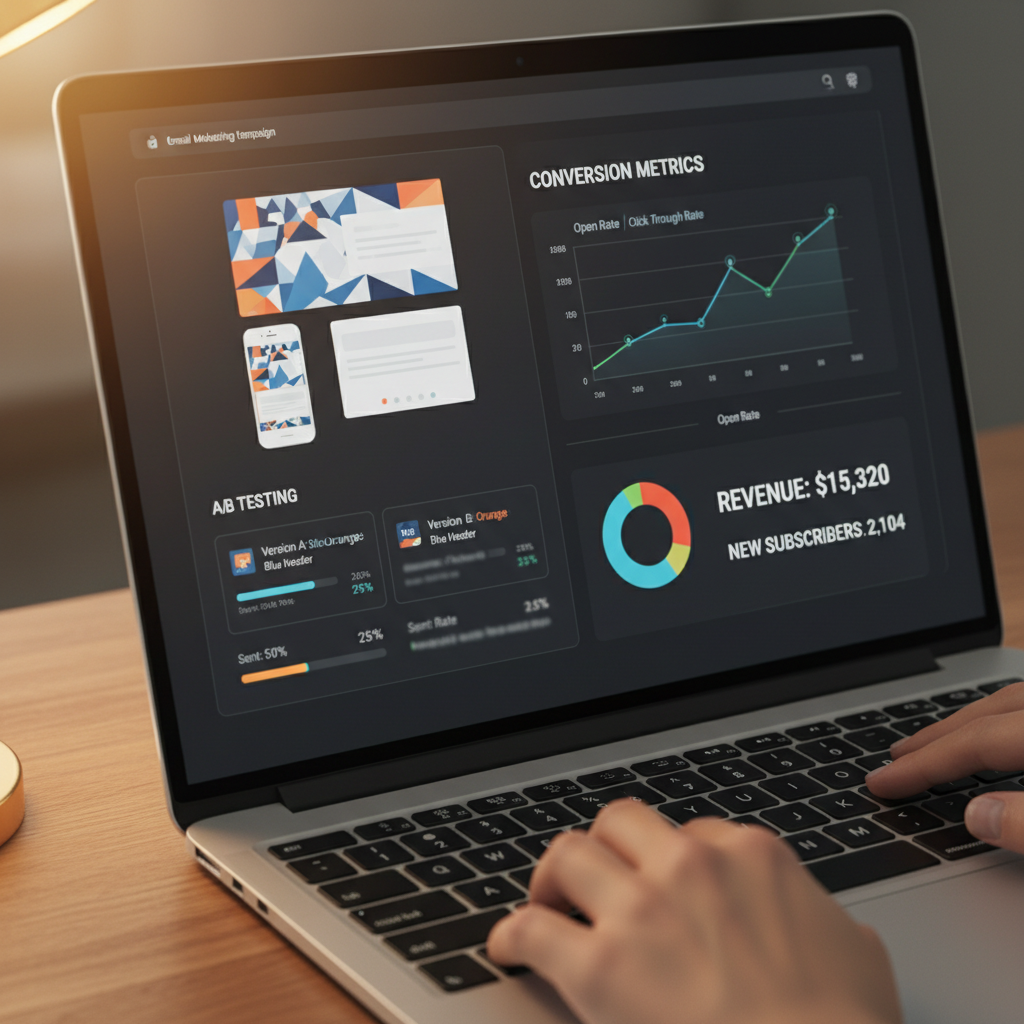
Email marketing remains one of the most effective digital marketing strategies. It allows businesses to communicate directly with their customers and nurture leads through personalized content. Building a strong email list is essential; offering valuable content such as newsletters, exclusive discounts, and informative articles can encourage sign-ups.
Automated email campaigns can save time and ensure consistent communication with your audience. By segmenting your email list, you can send targeted messages that resonate with specific groups, increasing the likelihood of conversion.
Utilizing Pay-Per-Click Advertising
Pay-Per-Click (PPC) advertising is an effective way to drive immediate traffic to your website. Platforms like Google Ads and Facebook Ads allow you to target specific demographics, ensuring your ads reach the right people. While PPC requires an investment, it can provide a significant return when managed correctly.
It's essential to monitor your campaigns regularly and adjust your strategies based on performance data. A/B testing different ad creatives and targeting options can help you optimize your campaigns for better results.
Analyzing and Adjusting Your Strategies
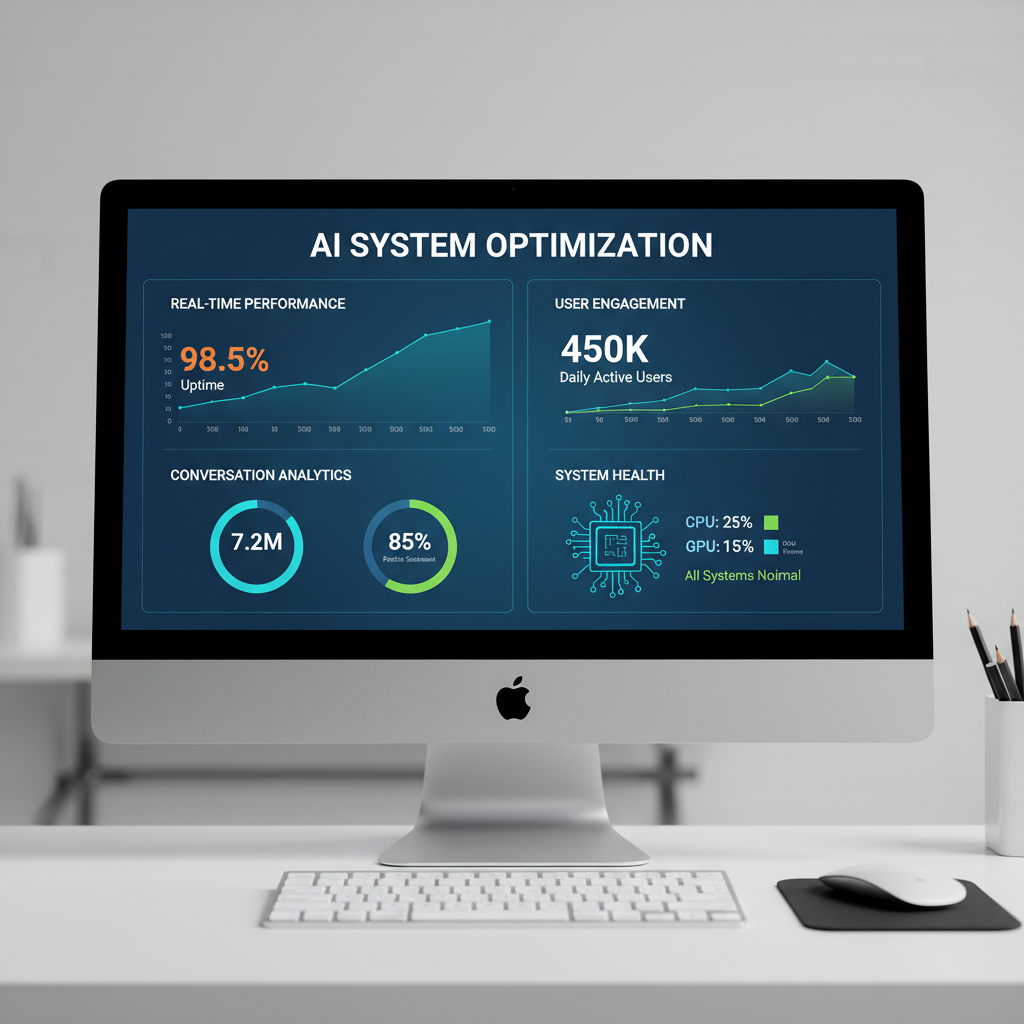
Consistently analyzing your digital marketing efforts is vital for success. Utilize tools like Google Analytics to track website traffic, user behavior, and conversion rates. Understanding these metrics allows you to make informed decisions and refine your strategies over time.
Regularly reviewing your performance helps identify areas for improvement and ensures you are getting the most out of your marketing budget. By staying adaptable and responsive to changes in the digital landscape, small businesses can maintain a competitive edge.