
Understanding Seasonal Marketing Trends for Maximum Impact


In the ever-evolving world of marketing, understanding seasonal trends can significantly enhance your strategy and boost your brand's visibility. By aligning your campaigns with the natural ebbs and flows of consumer behavior, you can maximize engagement and drive sales effectively. But how do you tap into these trends for maximum impact?
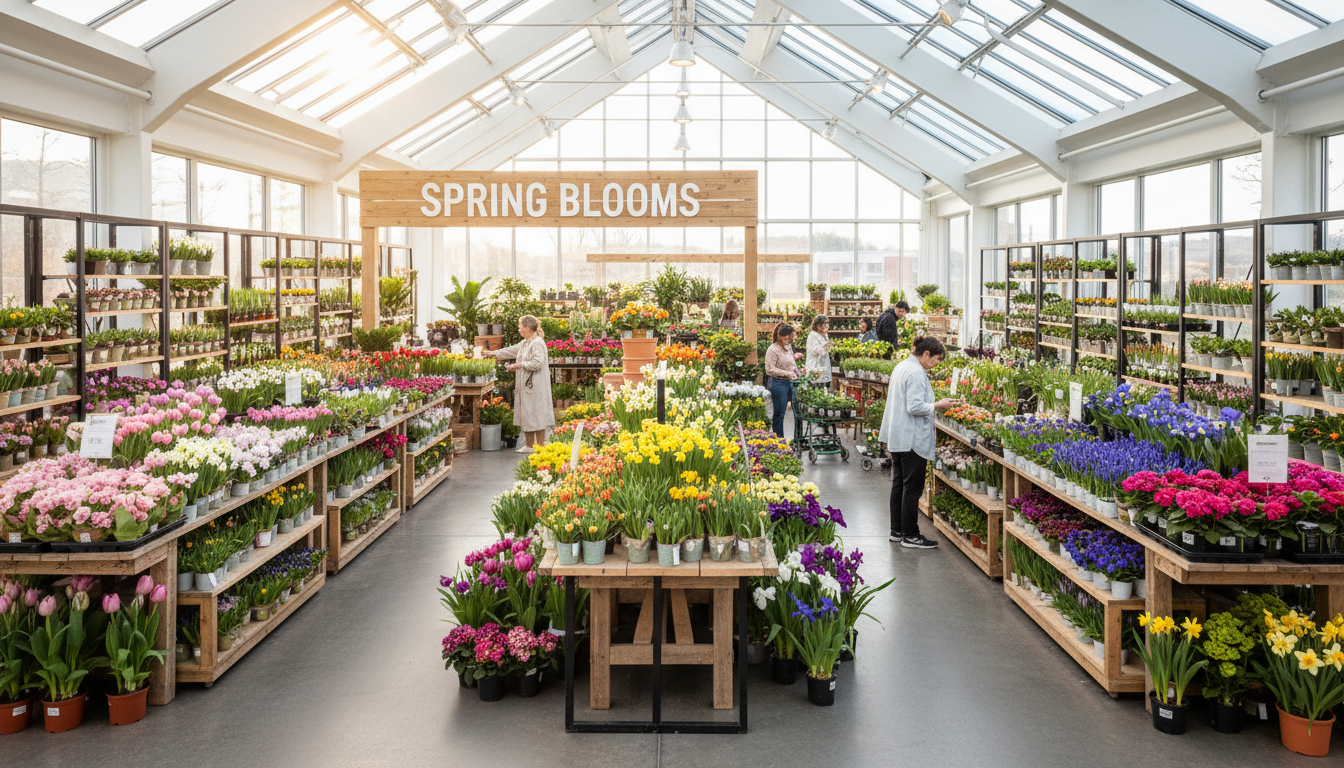
Why Seasonal Marketing Matters
Seasonal marketing is crucial because it leverages the periods of the year when consumers are most likely to make purchases. Whether it's back-to-school shopping, holiday gift-giving, or summer vacations, each season presents unique opportunities for businesses to connect with their audience. By recognizing and adapting to these patterns, you can position your brand to meet consumer needs at the right time.
Identifying Key Seasonal Trends
To effectively capitalize on seasonal trends, it's essential to identify the key periods that align with your business goals. Start by analyzing historical sales data to pinpoint peak times for your industry. Consider cultural and regional differences, as these can influence purchasing behaviors. For example:
- Winter Holidays: Major shopping events like Black Friday and Cyber Monday.
- Spring: Cleaning and home improvement sales.
- Summer: Travel and outdoor activities.

Crafting a Seasonal Marketing Strategy
Once you've identified the key trends, it's time to craft a strategy that aligns with them. Begin by setting clear objectives. Do you want to increase brand awareness, boost sales, or engage with a new audience segment? With your goals in mind, tailor your messaging and promotions to resonate with seasonal themes.
Utilizing Seasonal Content
Content is king, and seasonal content can be a game-changer. Update your website, blogs, and social media with themed content that reflects the season's spirit. Whether it's a summer travel guide or a winter recipe collection, make sure your content is engaging and relevant. This not only attracts new customers but also keeps your existing audience engaged.

Leveraging Social Media and Influencers
Social media is a powerful tool for seasonal marketing. Use platforms like Instagram, Facebook, and Twitter to launch seasonal campaigns and promotions. Collaborate with influencers who align with your brand and can authentically promote your products during peak seasons. Their reach and credibility can amplify your message and attract a broader audience.
Monitoring and Adjusting Your Strategy
Finally, it's essential to monitor the performance of your seasonal campaigns closely. Use analytics tools to track engagement, conversions, and sales. Be prepared to adjust your strategy based on real-time data. Flexibility is key to ensuring that your marketing efforts remain effective throughout the season.
By understanding and leveraging seasonal marketing trends, you can create campaigns that resonate with consumers and drive significant business results. Stay ahead of the curve by planning strategically and adapting to the ever-changing landscape of consumer behavior.