Understanding SEO: A Beginner's Guide for Small Businesses


What is SEO?
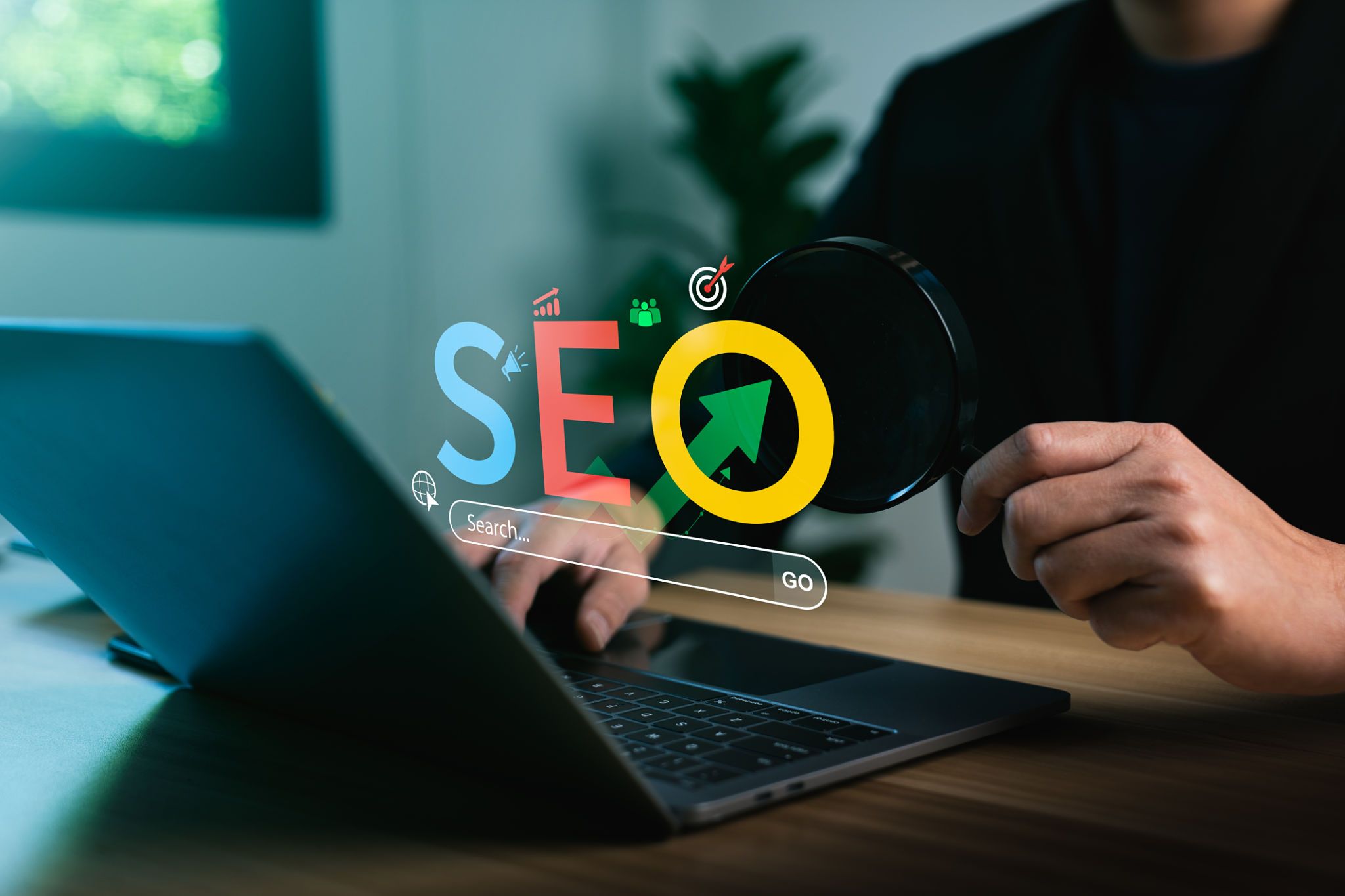
Search Engine Optimization (SEO) is the process of optimizing your website to rank higher in search engine results. This practice helps increase the visibility of your site, attracting more visitors. It’s especially crucial for small businesses looking to compete with larger companies. Understanding SEO can help you achieve sustained growth and reach your target audience more effectively.
Why is SEO Important for Small Businesses?
For small businesses, SEO is a cost-effective way to increase visibility and attract potential customers. Unlike traditional advertising, SEO targets users who are actively searching for your products or services. This means that once your site is optimized, you can enjoy higher traffic without ongoing advertising costs. Additionally, SEO helps establish credibility and trust with your audience.
Competing with Larger Companies
SEO levels the playing field, allowing small businesses to compete with larger companies. By focusing on niche keywords and local search optimization, small businesses can attract a dedicated customer base. This targeted approach enables smaller enterprises to stand out in a crowded market.

Key Components of SEO
SEO is a multifaceted discipline made up of several key components. These include keyword research, on-page SEO, off-page SEO, and technical SEO. Each component plays a vital role in improving your search engine rankings and driving more traffic to your site.
Keyword Research
Keyword research is the foundation of any successful SEO strategy. It involves identifying the terms and phrases that potential customers use to search for products and services. By targeting these keywords, you can optimize your content to meet the needs of your audience and improve your chances of ranking higher.
On-Page SEO
On-page SEO refers to optimizing individual web pages to rank higher and earn more relevant traffic. This involves elements such as title tags, meta descriptions, and header tags. Ensuring your content is well-structured and includes relevant keywords is crucial for on-page optimization.

Off-Page SEO and Its Importance
Off-page SEO involves activities outside of your website to improve its ranking. This mainly includes building backlinks, which are links from other websites to your site. High-quality backlinks can significantly boost your site's authority and search engine rankings.
Building Backlinks
Building a strong backlink profile is essential for off-page SEO. Focus on acquiring links from reputable sites related to your industry. Methods such as guest blogging, influencer outreach, and creating shareable content can help you attract valuable backlinks.
Technical SEO
Technical SEO involves optimizing the infrastructure of your website to make it easier for search engines to crawl and index. This includes improving site speed, ensuring mobile-friendliness, and creating an XML sitemap. A technically sound website enhances user experience and can lead to higher search rankings.

Conclusion
Understanding and implementing SEO is crucial for small businesses aiming for long-term success. By focusing on key components such as keyword research, on-page and off-page SEO, and technical optimization, you can improve your website's visibility and attract more customers. Start optimizing today and watch your business grow.